November 13, 2026
Keeping your home comfortable involves more than simply adjusting the temperature when the weather changes. Modern heating and cooling technology offers homeowners new ways to manage indoor comfort, improve energy efficiency, and maintain greater control over their HVAC systems. One upgrade that can make a noticeable difference is a smart thermostat. Let's explore what these systems offer to help you decide whether upgrading your thermostat is the right investment for your home.
Understanding How Smart Thermostats Work
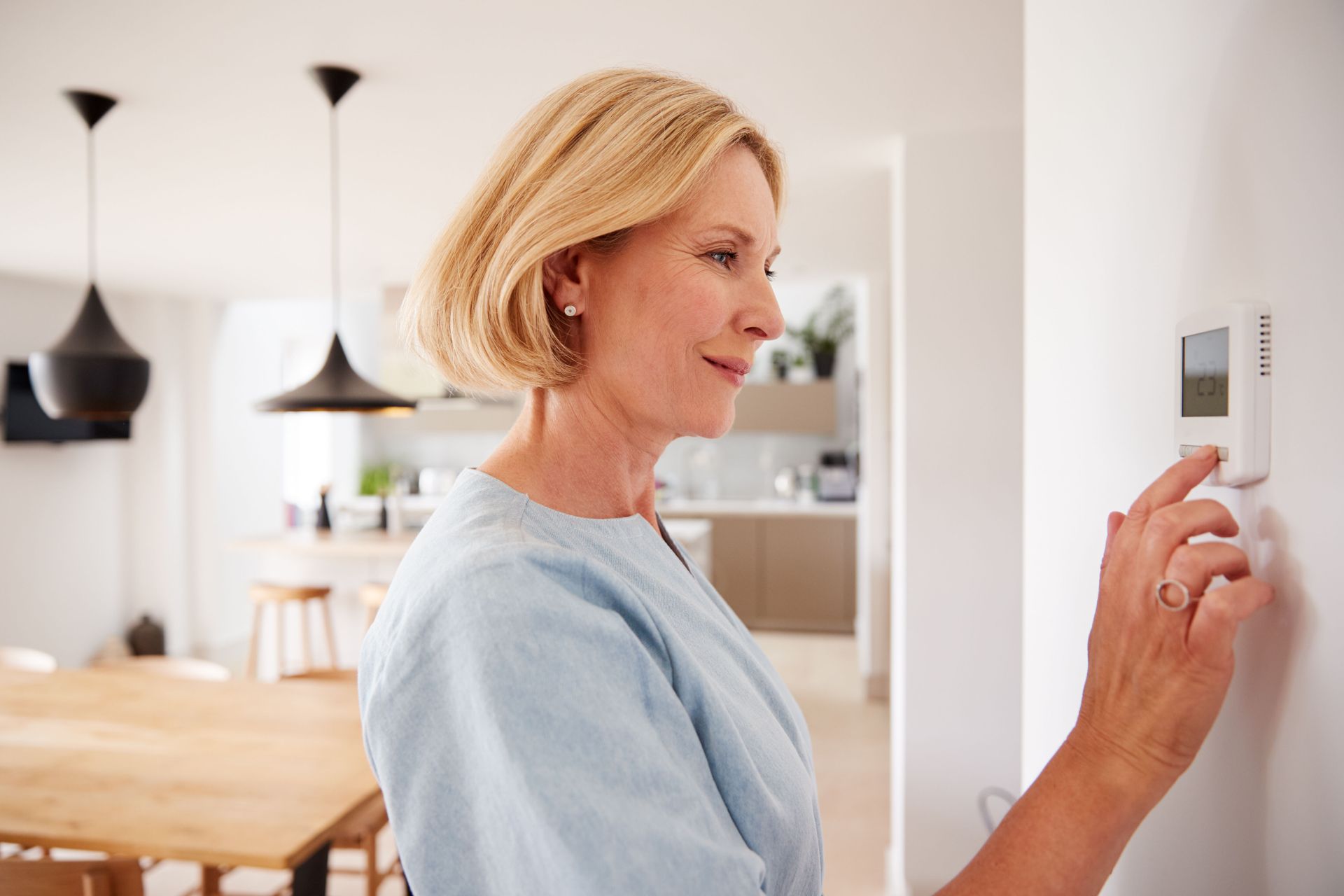
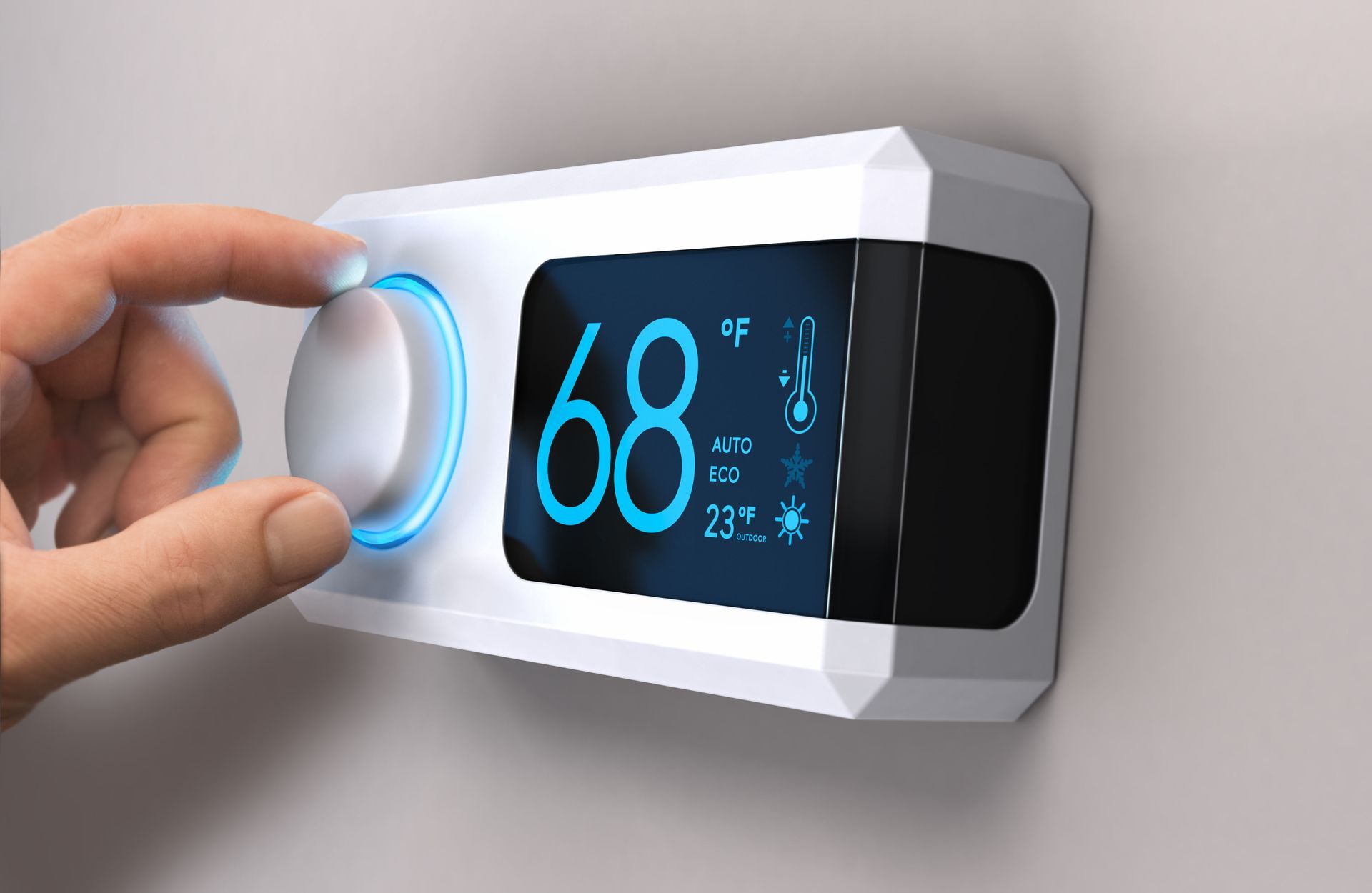
Smart thermostats are designed to give homeowners greater control over their heating and cooling systems. Unlike traditional thermostats that rely primarily on manual adjustments, these devices can connect to home Wi-Fi networks and communicate with compatible HVAC equipment. This connectivity allows users to change temperature settings through smartphone applications, even when they are away from home. Many models also feature touchscreens, voice control compatibility, and customizable scheduling options.
Some smart thermostats can learn household routines and automatically adjust temperature settings based on established patterns. Others use occupancy sensors, weather information, and energy usage reports to help optimize indoor conditions. These features make temperature management more convenient while giving homeowners additional insight into how their HVAC systems operate. A local heating and cooling professional can explain the available features and help determine which thermostat options best suit your household's needs.
Improving Household Energy Efficiency
One of the biggest reasons homeowners consider smart thermostat installation is the opportunity to improve energy efficiency. Heating and cooling systems often account for a significant portion of household energy consumption. When equipment operates unnecessarily or maintains temperatures that do not match household needs, energy can be wasted. Smart thermostats help address this issue by making it easier to adjust settings throughout the day. For example, homeowners can schedule temperature changes while everyone is at work or school and restore comfortable conditions before the household returns.
These automatic adjustments can help reduce unnecessary heating and cooling without sacrificing comfort. Some models also provide energy reports that show how often the HVAC system runs and identify opportunities to make more efficient adjustments. Homeowners can use this information to better understand their energy habits and make informed decisions. When evaluating these features, a local heating and cooling company can recommend a thermostat that works with your existing equipment and supports your energy-saving goals.
Creating More Consistent Indoor Comfort
Maintaining a comfortable indoor temperature can sometimes be challenging, particularly when household schedules vary or outdoor conditions change throughout the day. Smart thermostats make it easier to establish temperature schedules that reflect your preferences. You can program different settings for mornings, afternoons, evenings, and overnight hours, helping your home maintain comfortable conditions when they matter most. Instead of constantly adjusting the thermostat, you can rely on automated settings to manage everyday temperature changes.
Some advanced models also offer features designed to account for changing indoor and outdoor conditions. Depending on the device, sensors may help identify occupancy patterns or temperature differences in specific rooms. This can be particularly useful in larger homes where certain areas tend to feel warmer or cooler than others. Although a thermostat cannot correct underlying airflow or equipment problems, it can contribute to a more convenient comfort strategy. A local heating and cooling specialist can help determine whether additional HVAC adjustments are needed to achieve more consistent temperatures throughout your home.
Making Temperature Management Easier for Busy Households
Between work responsibilities, school activities, appointments, and family commitments, managing household temperatures may not always be a priority. Smart thermostats help simplify this responsibility by allowing homeowners to establish automatic schedules that match their everyday routines. Once the preferred settings are programmed, the thermostat can make adjustments without requiring constant attention. This is particularly useful for households with predictable schedules, although flexible programming options also make it easier to accommodate changing plans.
Smart thermostat applications can also provide useful notifications and reminders. Depending on the model, homeowners may receive alerts about unusual temperature changes, system activity, or maintenance-related issues. These notifications can help bring attention to potential concerns before they become more disruptive. If you are considering an upgrade, local heating and cooling professionals can walk you through the available notification features and explain how they fit into your overall HVAC maintenance routine.
Supporting Your HVAC System With Better Monitoring
A smart thermostat can provide more visibility into how frequently heating and cooling equipment operates. Many models track system activity and present information through easy-to-understand reports. These details can help homeowners recognize changes in heating and cooling patterns. For instance, if your system begins running longer than usual, the information may encourage you to investigate whether something has changed with the equipment, insulation, airflow, or indoor temperature settings.
Some smart thermostats also offer maintenance reminders based on operating schedules or elapsed time. These reminders can help homeowners stay on track with routine HVAC care, including filter replacement and professional inspections. However, a thermostat is not a substitute for a qualified technician or a complete equipment evaluation. If you notice unusual performance, persistent comfort problems, or unexpected system behavior, contact a local heating and cooling company for assistance. Regular maintenance and timely repairs remain important for keeping your equipment operating reliably.
Exploring Smart Home Integration Options
Smart thermostats can become an important part of a connected home. Many devices work with virtual assistants and smart home platforms, allowing homeowners to adjust temperatures using voice commands or automated routines. For example, you may be able to create a routine that adjusts the thermostat when you activate a particular setting on your smart home system. These integrations can make everyday household management more streamlined while reducing the number of separate controls you need to operate.
Compatibility is an important consideration when choosing a smart thermostat. Not every model works with every HVAC system or smart home platform, so homeowners should review technical requirements before purchasing a device. Some systems require specific wiring configurations or additional components to support advanced features. Consulting a local heating and cooling contractor can help prevent compatibility issues and ensure the selected thermostat works as intended. Professional guidance is especially valuable when integrating new technology with older heating and cooling equipment.
Understanding the Importance of Professional Installation
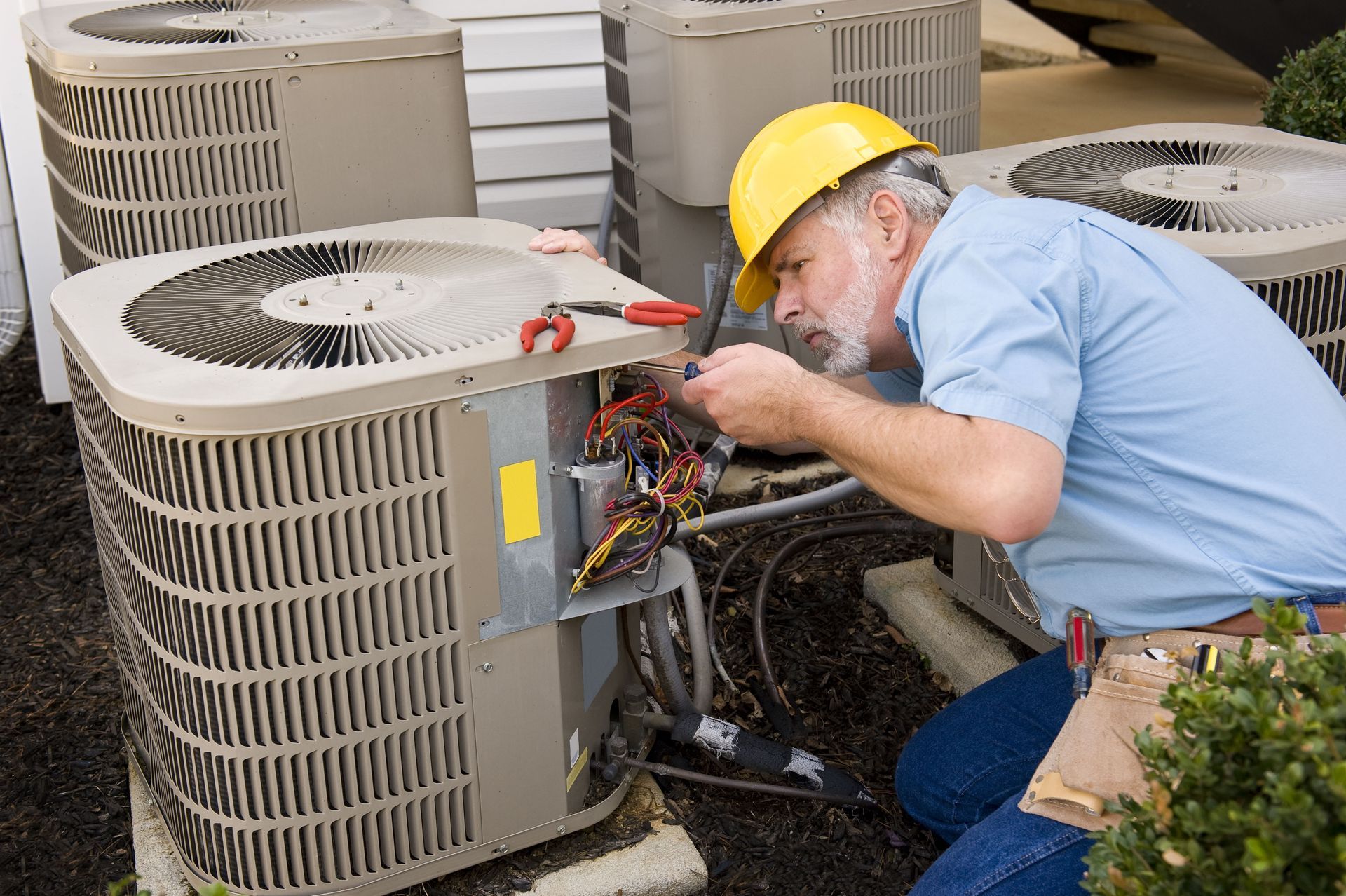
Although smart thermostats offer user-friendly controls, their installation involves more than mounting a device on the wall. The thermostat must be connected correctly, configured for the home's HVAC equipment, and programmed to communicate with the heating and cooling system. Incorrect wiring or incompatible settings can interfere with system operation and prevent certain features from working properly. Professional installation helps ensure that the device is configured according to the equipment manufacturer's requirements.
The HVAC industry relies on trained contractors to install, maintain, and service essential household systems. According to the U.S. Bureau of Labor Statistics, contractors who specialize in plumbing, heating, and air-conditioning employ 66% of the workforce in this occupation. This highlights the important role specialized contractors play in keeping residential and commercial systems functioning. Choosing an experienced local heating and cooling company gives homeowners access to knowledgeable technicians who can evaluate equipment compatibility, complete installation, and explain how to operate the new thermostat.
If you're considering a thermostat upgrade, working with a trusted local heating and cooling company is a practical first step. Our experienced HVAC technicians at Southern Comfort HVAC LLC can assess your current system, recommend suitable equipment, and handle the installation process. Contact us today to get started!