November 7, 2026
In the United States, air conditioning has evolved from an occasional luxury into an indispensable element of daily life, fundamentally shaping modern comfort, architectural design, and economic productivity. However, this ubiquitous reliance carries a massive resource footprint. According to the U.S. Department of Energy, cooling systems alone account for roughly 6% of all electricity generated nationwide each year. As concerns surrounding climate change, grid stability, and fossil fuel depletion intensify, examining how our demand for indoor cooling and reliable air conditioning service influences the broader energy landscape is vital. Understanding the history, technological evolution, and environmental ramifications of air conditioning provides the context required to build more resilient, energy-efficient solutions.
The Evolution of Modern Cooling
Origins and Early Engineering
The roots of mechanical cooling trace back to 1902, when Willis Carrier designed the first modern electrical air conditioning system. Carrier’s initial design was engineered not for personal comfort, but to stabilize industrial humidity levels that were wrinkling paper and blurring ink in a Brooklyn printing plant. As manufacturers recognized the productivity benefits of regulated indoor temperatures, the technology expanded across textile mills, pharmaceutical facilities, and industrial warehouses before eventually migrating into public theaters, department stores, and homes.
Advancements in Refrigeration and Mechanics
Subsequent decades transformed these bulky, industrial contraptions into compact, reliable systems. The introduction of standardized vapor-compression refrigeration cycles, safer chemical refrigerants, and hermetically sealed compressors allowed manufacturers to scale production. Miniaturized mechanical components and lower production costs made residential units accessible to the emerging post-war middle class, fundamentally shifting home construction trends toward permanently climate-controlled floor plans.
Residential Adoption and the Growth of the Sun Belt
Throughout the mid-to-late 20th century, cooling systems transitioned from premium amenities to standard residential fixtures. This technology fueled massive demographic migrations toward hot, arid, and humid regions—most notably across the American Sun Belt, including states like Florida, Texas, Nevada, and Arizona. Without widespread, dependable air conditioning, the rapid urban and economic expansion of these regions would have been physically and economically impractical.
Efficiency Gains vs. Expanding Demand
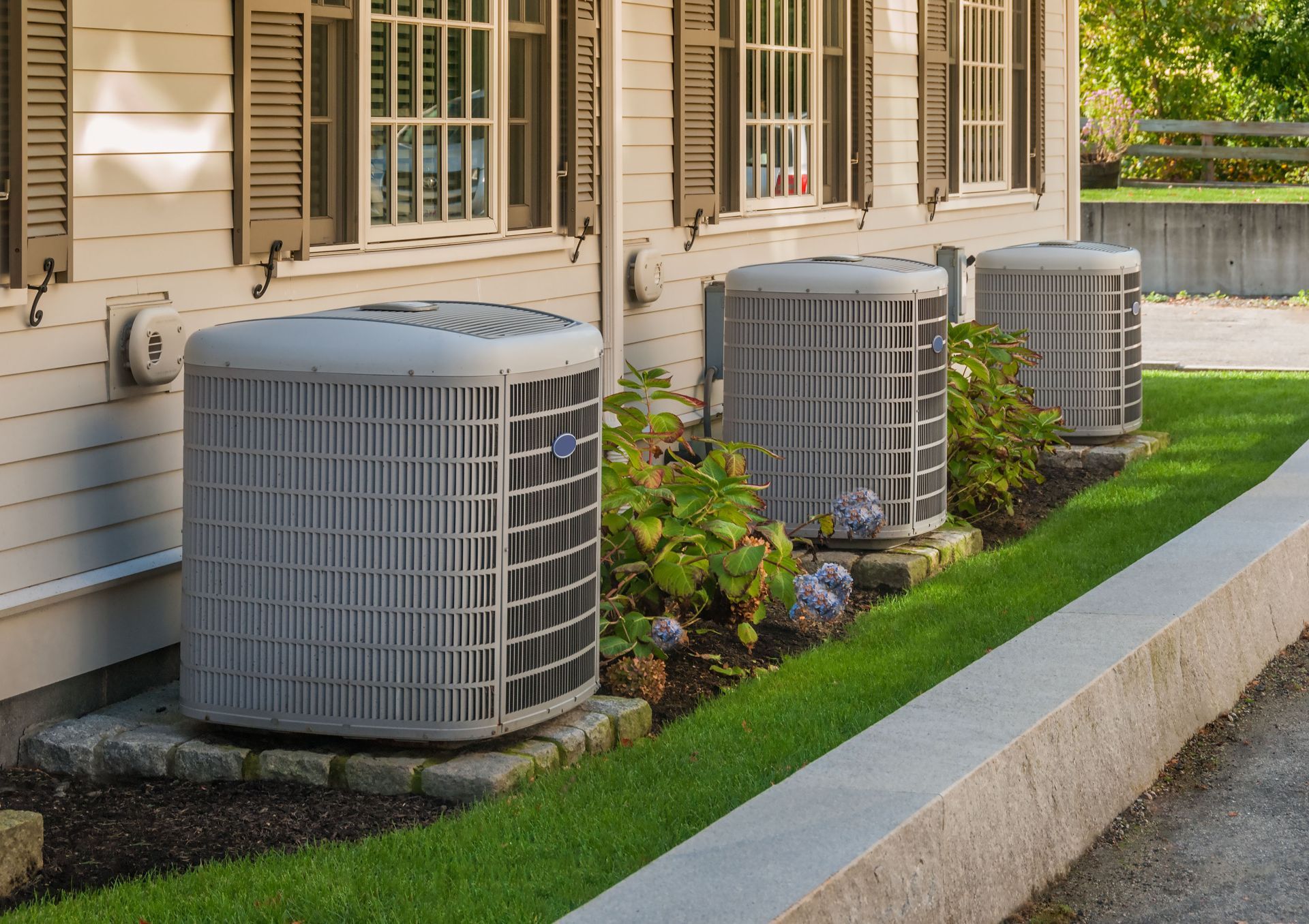
To curb growing utility burdens, regulatory bodies and manufacturers developed higher-efficiency systems featuring improved heat-exchange coils, multispeed blowers, and tighter insulation standards. Programs such as the federal Energy Star initiative established stringent baseline performance metrics. While individual units now consume significantly less electricity per unit of cooling than their 20th-century counterparts, aggregate national consumption remains elevated, underscoring the necessity of routine air conditioning service to keep systems operating near peak efficiency despite heavier usage patterns.
Broad Societal Transformation
Beyond individual comfort, mechanical cooling restructured contemporary American society. It transformed workplace environments by eliminating heat-induced summer slowdowns, enhanced patient recovery rates in healthcare settings, and enabled the thermal management necessary to operate modern telecommunications and data centers.
Understanding the Energy Footprint
National Electricity Consumption
Powering air conditioning units consumes roughly 6% of the nation's total electricity production annually, costing homeowners tens of billions of dollars each year. Meeting this sustained load requires substantial baseload capacity and frequent grid balancing, illustrating the nation's profound structural reliance on mechanical cooling and dependable air conditioning service.
Major Household Appliances Compared
Air conditioning units represent one of the single largest energy draws in a standard home, typically rivaled only by space heating and water heaters. While heating systems consume substantial energy in colder months, central cooling drives sudden and intense peak electrical loads during summer heatwaves. Because cooling equipment operates under such demanding conditions, investing in timely air conditioning service is critical to preventing degraded performance and unnecessary electrical draw. In comparison, essential appliances such as refrigerators draw a low, continuous electrical current year-round, while electronics and indoor lighting contribute moderate, highly variable consumption across the day.
Regional Disparities in Grid Demand
Cooling demands vary widely across geographic zones. The South and Southwest experience high cooling degree days, requiring systems to run continuously for five to seven months and making cooling the dominant portion of seasonal utility bills. This sustained operation elevates the ongoing need for professional air conditioning service throughout the hottest months of the year. In contrast, the Pacific Northwest and Northeast historically exhibited lower cooling degree days and lower central air penetration, though recent heatwaves have accelerated retrofits and heat pump installations.
Recent Demand Trends
Over the past decade, several competing dynamics have emerged: advanced inverter systems and smart thermostats have driven down per-square-foot energy consumption, yet extended summer heatwaves have increased total operating hours per unit. Furthermore, newer single-family residential builds feature larger interior volumes that require higher total tonnage of cooling capacity.
The Role of Federal Standards
Federal regulations, led by the Department of Energy's Seasonal Energy Efficiency Ratio minimums, systematically retire obsolete designs. The step-up to modern SEER2 standards ensures that even entry-level replacement equipment delivers substantially lower kilowatt-hour consumption than units installed fifteen to twenty years ago, especially when paired with consistent air conditioning service to maintain those factory ratings.
Environmental and Structural Challenges
Greenhouse Gas Emissions and Grid Load
Cooling systems generate emissions through both indirect and direct pathways. Indirect emissions stem from electricity generated by combusting natural gas or coal to supply power to cooling equipment, producing substantial volumes of carbon dioxide. Direct emissions occur during equipment operation, maintenance, or disposal, releasing fluorinated greenhouse gases with high global warming potential when systems lack proactive air conditioning service to locate and seal minor leaks.
Grid Stress and Summer Peak Loads
During severe summer heatwaves, concurrent air conditioning usage spikes grid demand simultaneously. This surge strains transformers, forces utilities to activate inefficient peaking power plants, and significantly increases the probability of localized brownouts or rolling blackouts. Securing seasonal air conditioning service helps ease this collective burden by ensuring compressors run efficiently without drawing excessive amperage during peak hours.
Embodied Resources and Water Footprints
Cooling infrastructure also interacts directly with freshwater reserves. Thermoelectric power generation plants require vast amounts of water for cooling cycles to produce the electricity that powers air conditioners. Additionally, commercial cooling towers evaporate thousands of gallons of water daily to reject building heat, while raw material extraction—specifically copper tubing, aluminum fins, and galvanized steel—represents significant embodied energy.
Emerging Technologies and Efficiency Solutions
High-Performance Standards and Ratings
Modern HVAC systems rely on verified rating systems to demonstrate performance, such as SEER2, which measures seasonal cooling efficiency under realistic static duct pressures, and EER2, which evaluates operating efficiency under peak high-stress conditions. Energy Star certification identifies units that exceed federal minimum baseline standards by designated performance margins, helping consumers choose systems that deliver substantial savings when maintained through expert air conditioning service.
Variable-Capacity Inverter Systems
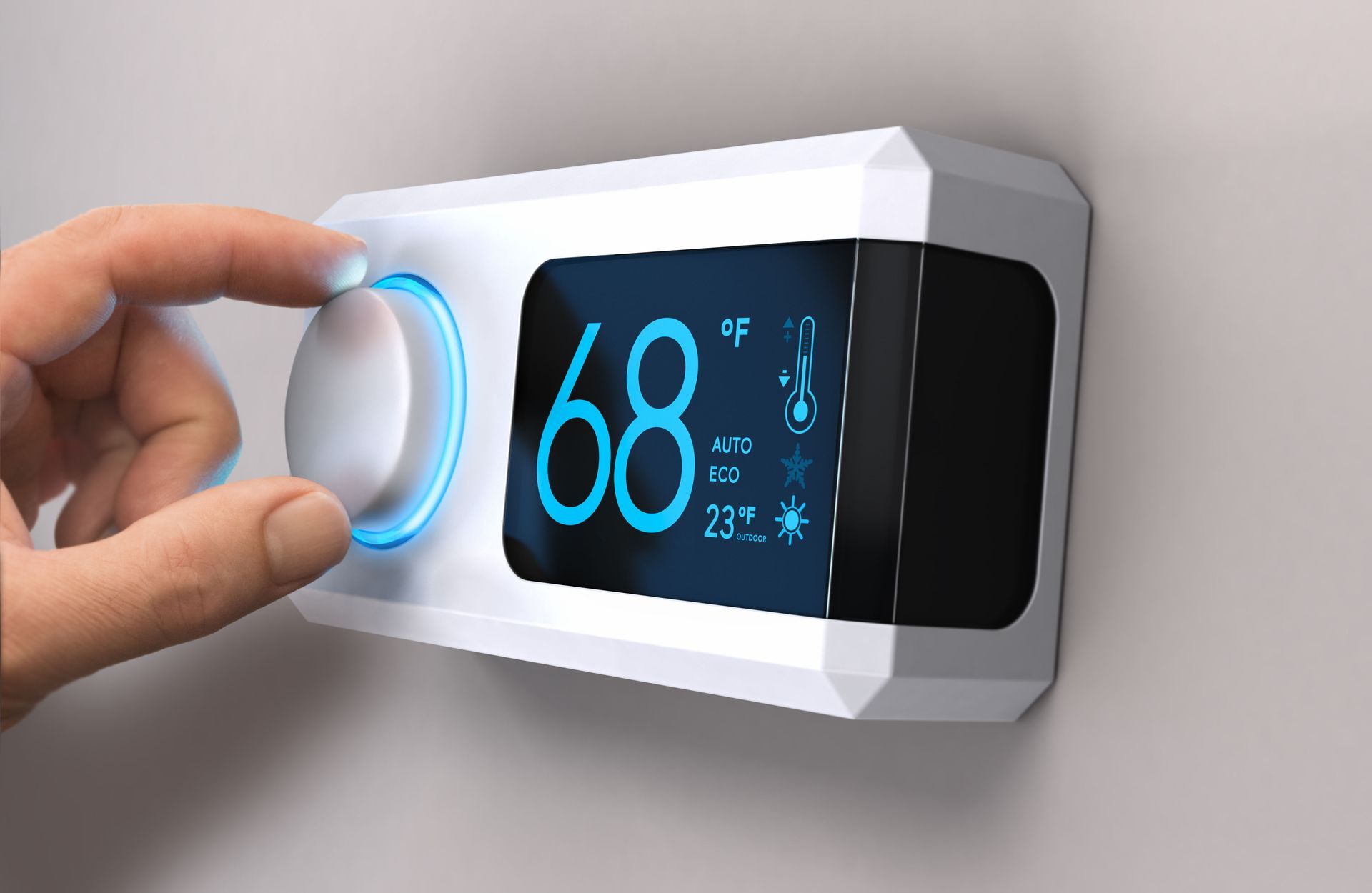
Traditional air conditioning systems utilize single-stage compressors that operate strictly at 0% or 100% capacity, resulting in abrupt start-stop cycles, temperature swings, and sudden electrical draws. Modern systems leverage inverter-driven, variable-speed compressors. By modulating operational speeds to match the real-time heat load of the building, inverter-driven units maintain stable indoor temperatures, dehumidify air more effectively, and eliminate energy-intensive cycling spikes, provided they receive qualified air conditioning service to calibrate sensitive electronic controls.
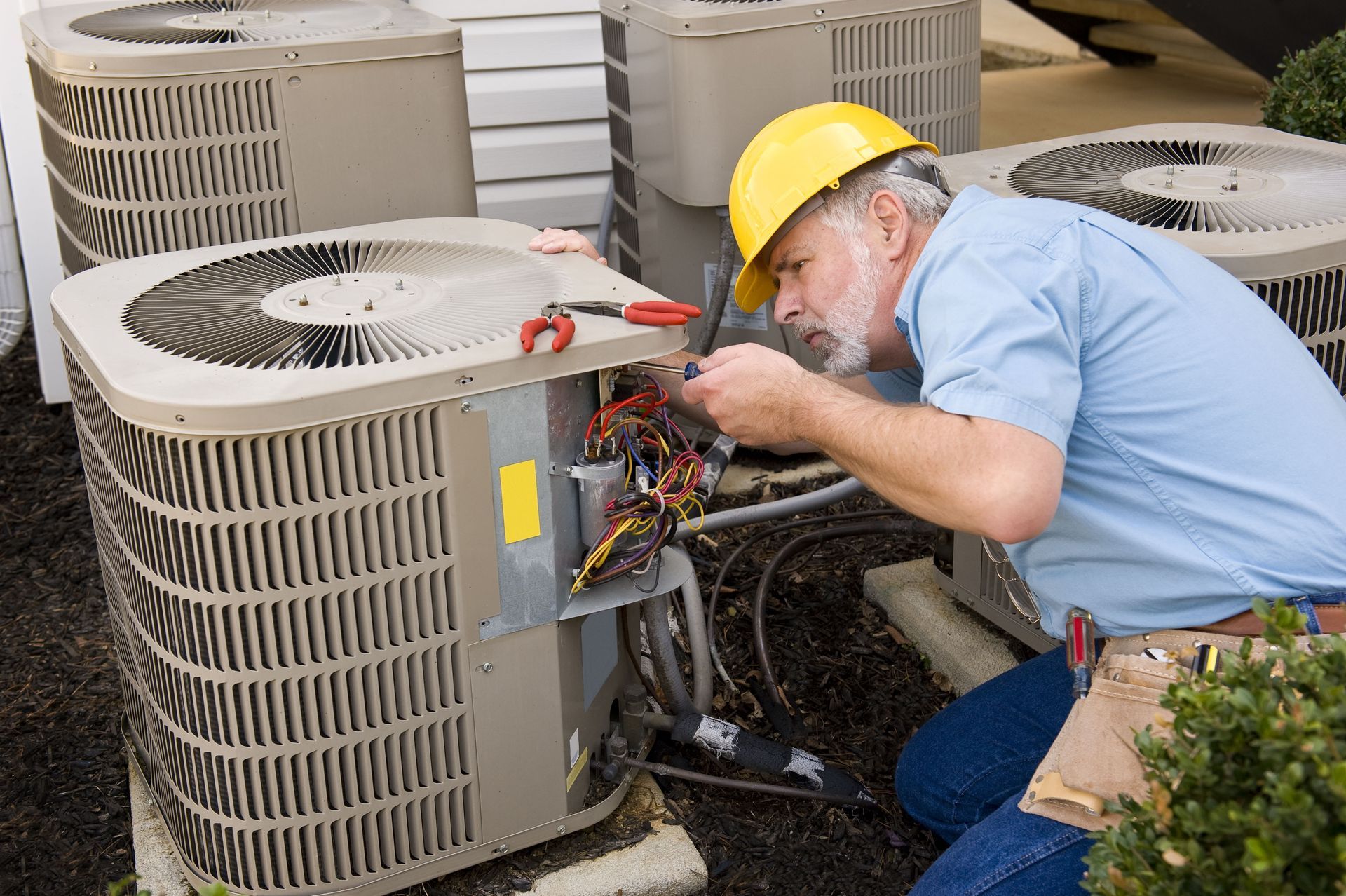
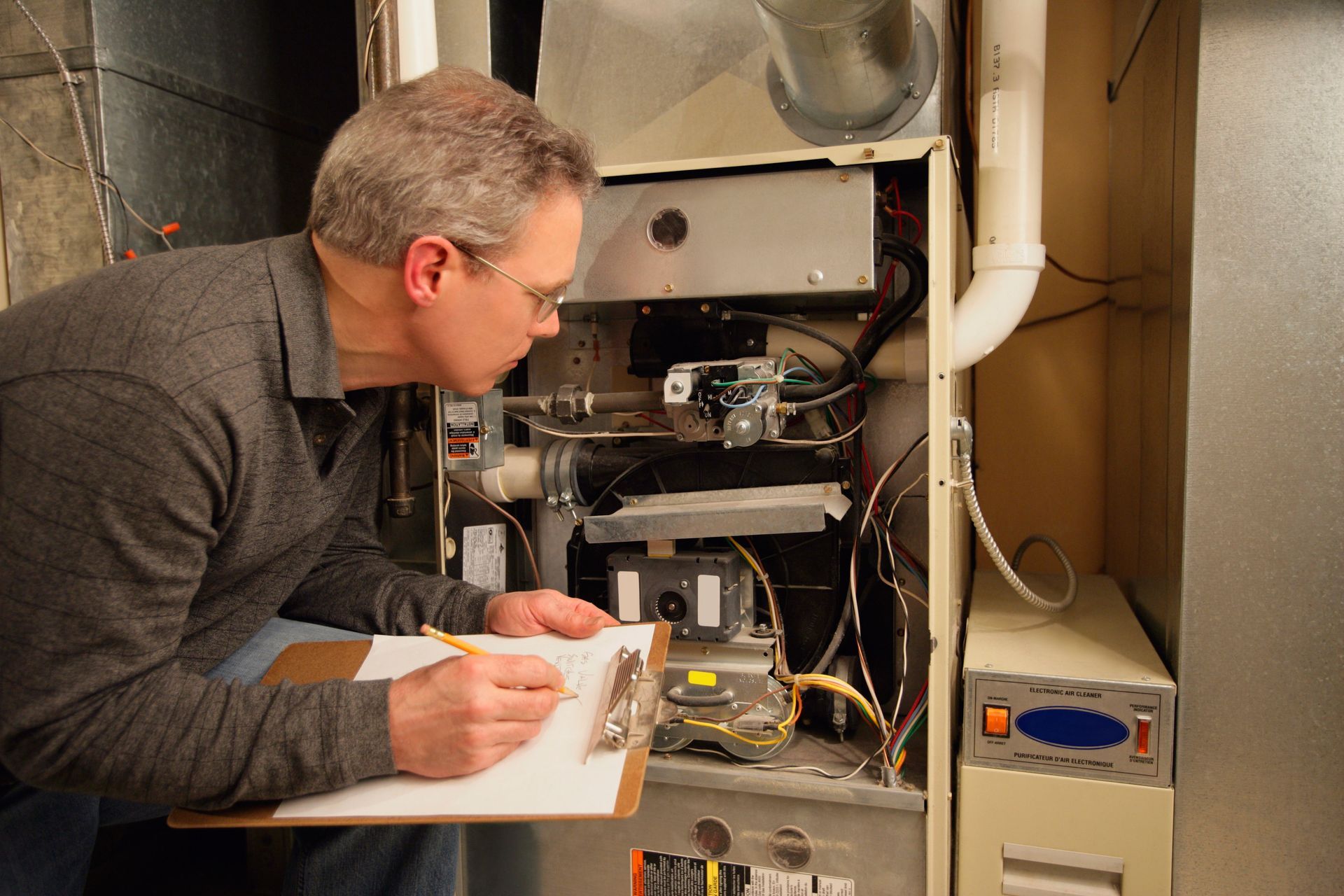
Homeowners can further lower cooling demands by utilizing exterior shading, low-emissivity window films, and reflective window coverings to block radiant solar heat before it enters the living space. Regular preventative maintenance, including comprehensive air conditioning service with routine cleaning of outdoor condenser coils, verifying refrigerant charge, and replacing air filters every few months, prevents airflow restrictions and preserves original factory operating efficiency. Adopting this multi-layered approach ensures long-term comfort while curbing overall household electricity demand. Call Southern Comfort HVAC LLC today for more information.