October 27, 2026
Improving energy efficiency in Heating, Ventilation, and Air Conditioning (HVAC) systems represents one of the most effective strategies for lowering overall energy consumption, significantly reducing monthly utility costs, and minimizing carbon footprints across residential and commercial properties. A local HVAC company plays an indispensable role in identifying structural efficiency bottlenecks, performing critical mechanical upgrades, and guiding property owners toward optimal climate control choices. Through rigorous evaluations, precision technical servicing, and strategic equipment recommendations, these seasoned experts ensure that heating and cooling assemblies operate at peak performance while drawing only the precise amount of power needed to maintain target temperatures.
Achieving long-term energy savings requires a clear, comprehensive understanding of system mechanics, scheduled routine maintenance, and modern equipment efficiency standards. Beyond initial unit selection, the ongoing mechanical health of a heating or cooling system directly dictates its daily power demand and long-term operational resilience. Partnering with certified local professionals ensures that every individual component, from air duct sealing and refrigerant charge levels to smart thermostat calibration, is fully aligned with strict energy conservation goals. Proper professional management of these climate assets leads to reliable indoor environment management, reduced mechanical stress, and predictable, consistent cost savings year after year. Modern property owners who prioritize these technical enhancements enjoy far greater control over their indoor climate and operational expenses.
Assessing Baseline Efficiency and Airflow Quality
System efficiency in modern climate-control equipment relies on how effectively a unit converts electrical or fuel energy into consistent heating or cooling without generating unnecessary waste. Performance metrics like Seasonal Energy Efficiency Ratio (SEER) for cooling units and Annual Fuel Utilization Efficiency (AFUE) for heating assemblies establish standardized industry benchmarks for operational performance. Unlocking the absolute best performance from these complex systems requires a balance of correct initial system installation, meticulous airflow management, and continuous technical oversight.
Regular maintenance impacts efficiency considerably, as neglected systems accumulate dirt and wear, impairing performance. According to the National Air Duct Cleaners Association, proper cleaning of HVAC systems can lead to a 10% to 46% improvement in airflow, which greatly enhances efficiency. Hence, consistent upkeep is non-negotiable for maintaining optimal efficiency levels. Engaging a local HVAC company ensures that comprehensive technical assessments and deep-cleaning procedures are performed accurately to keep airflow uninhibited, lower operational resistance, and maintain optimal running conditions. These combined maintenance efforts significantly lessen total mechanical strain across all seasons.
Evaluating Energy Metrics and Utility Impact
Understanding standardized industry efficiency ratings allows property owners to make accurate calculations regarding the financial and environmental returns on their capital investments. Higher SEER, SEER2, and AFUE ratings indicate that a climate system delivers significantly greater heating or cooling output per unit of electricity or gas consumed. While high-efficiency systems often carry a higher initial purchase cost, the noticeable reduction in ongoing monthly utility expenses allows these advanced units to completely pay for themselves over their operational lifespan.
Inefficient climate systems draw excessive electrical current and fuel, leading directly to inflated utility bills, particularly during peak periods of intense summer heat or extreme winter cold. Partnering with a skilled local HVAC company allows consumers to thoroughly audit their current energy footprint and select precise replacement units that fit their exact square footage and insulation profile. Upgrading to properly sized, high-efficiency equipment drastically reduces overall load demand on the regional energy grid while providing immediate financial relief and stabilizing household and commercial operating budgets. Lowering operational consumption also shields building owners from predictable annual energy rate hikes.
Utilizing Advanced Diagnostic Energy Audits
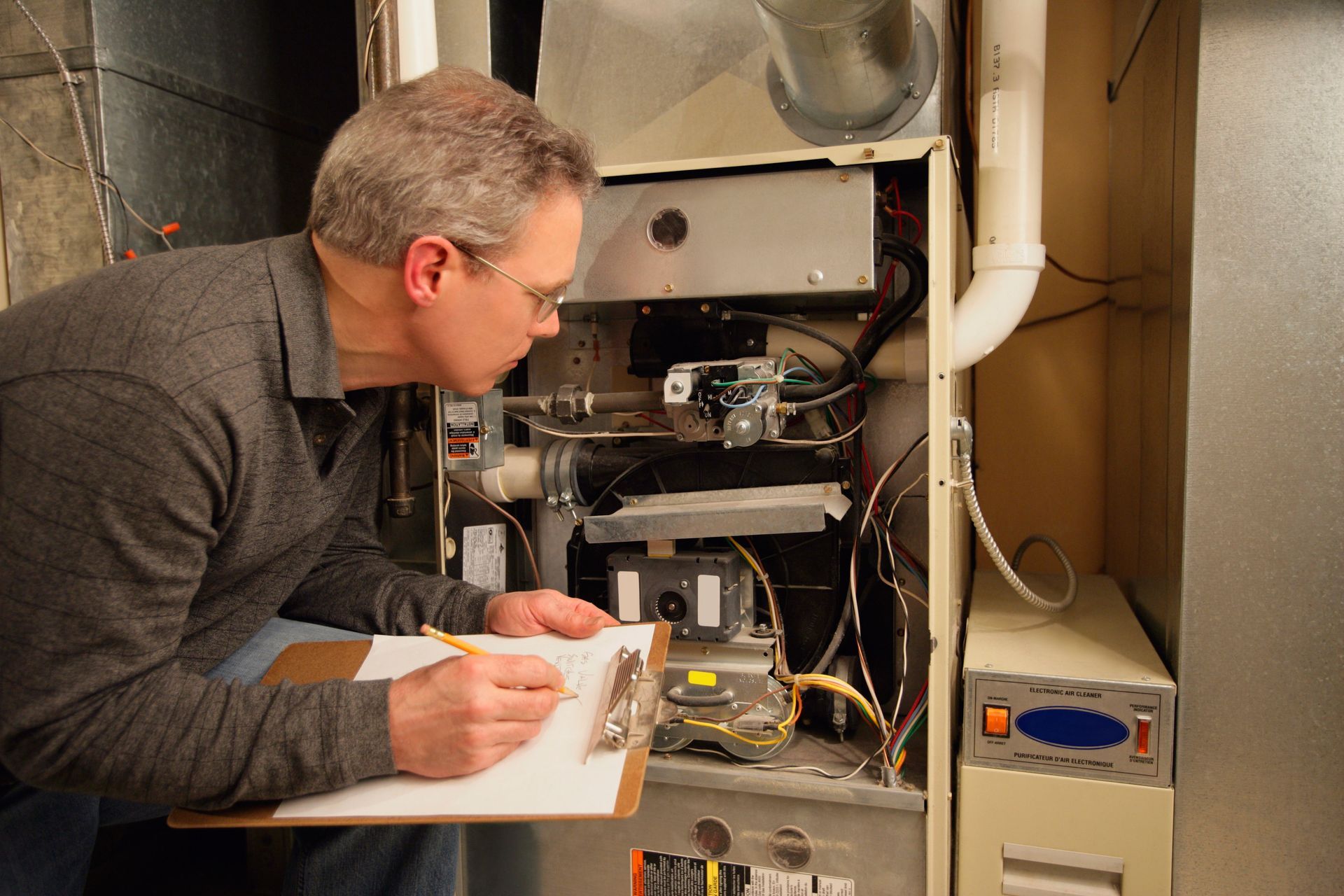
Professional energy audits serve as an exceptionally detailed diagnostic tool designed to uncover hidden sources of thermal loss, air leakage, and mechanical strain across an entire property. Certified service technicians utilize specialized diagnostic equipment, including thermal imaging cameras, digital airflow meters, and blower door pressure-testing devices, to pinpoint hidden ductwork leaks, inadequate insulation, and failing mechanical components. Identifying these structural and operational flaws provides a crystal-clear baseline for implementing targeted, cost-effective system improvements.
By applying comprehensive diagnostic techniques and advanced data logging, a local HVAC company can pinpoint exact zones where conditioned air escapes or where system motors work under excessive strain. Addressing these specific diagnostic findings prevents systemic energy waste, balances indoor temperature zones, and protects expensive, sensitive equipment from suffering premature mechanical breakdowns. An energy audit transforms vague efficiency goals into a concrete, highly actionable strategic plan for complete thermal and mechanical optimization. Comprehensive audit insights empower managers and owners to spend their improvement budgets where they matter most.
Implementing Proactive Preventative Service Protocols
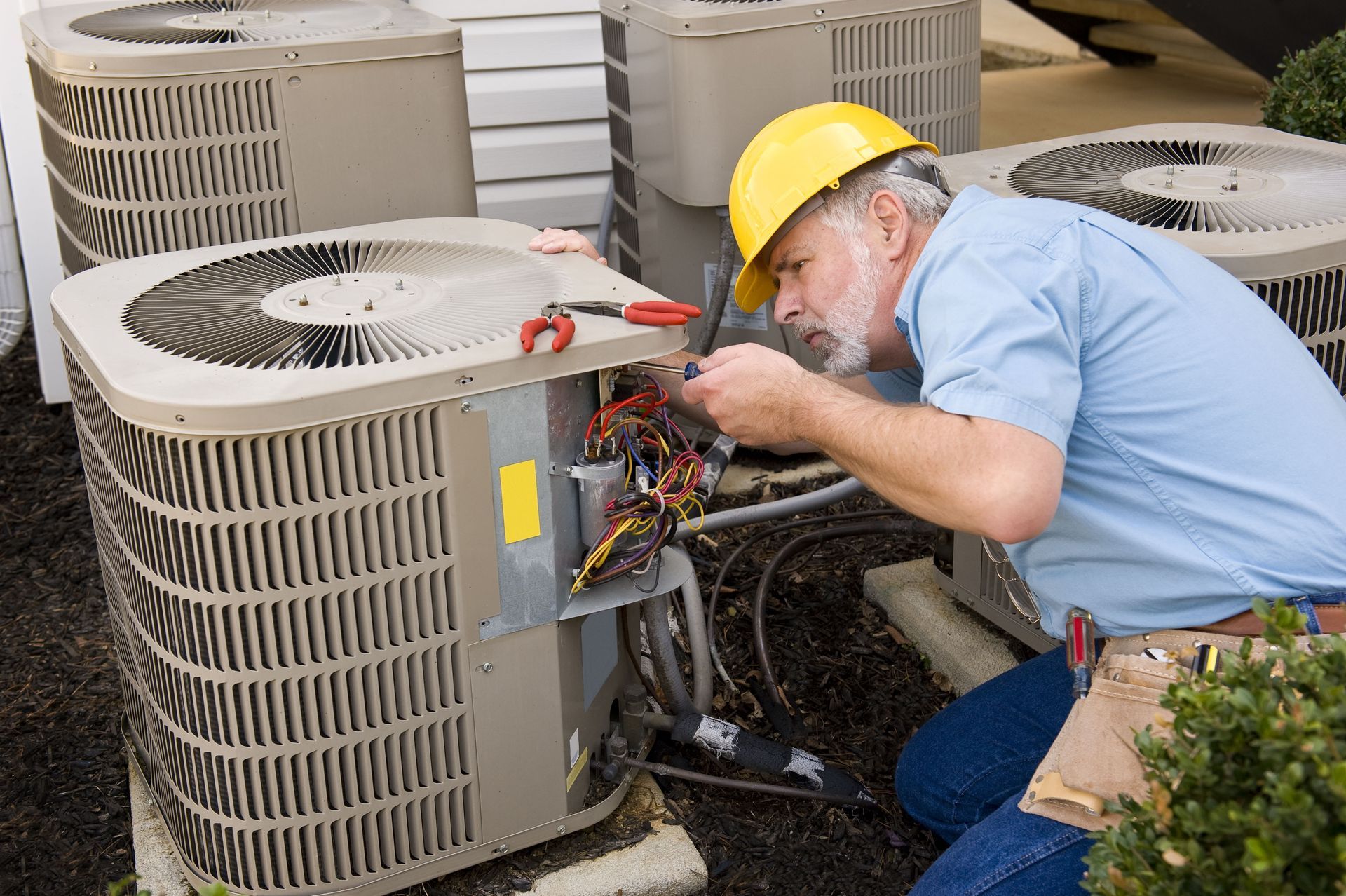
Routine preventive maintenance remains the single most reliable strategy for avoiding sudden emergency repairs and keeping heating and cooling equipment operating at peak performance standards. Scheduled inspection protocols include essential tasks such as thoroughly cleaning evaporator and condenser coils, checking refrigerant pressures, flushing condensate drain lines, testing electrical connections, and replacing air filters. These proactive technical procedures keep complex machinery running smoothly and prevent minor mechanical wear from compounding into major system failure.
Seasonal tune-ups prepare heating and cooling machinery to withstand the extreme operational demands of summer and winter peak seasons without failing. Contracting with an experienced local HVAC company for structured, scheduled service plans guarantees that systems receive precise technical calibrations before harsh weather arrives. Consistent professional attention preserves delicate internal components, optimizes fuel combustion and electrical consumption, lowers noise levels, and maintains healthy indoor air quality throughout every room in the building. Establishing this disciplined schedule ultimately grants complete operational confidence during extreme temperature swings.
Executing Strategic Repairs and Equipment Upgrades
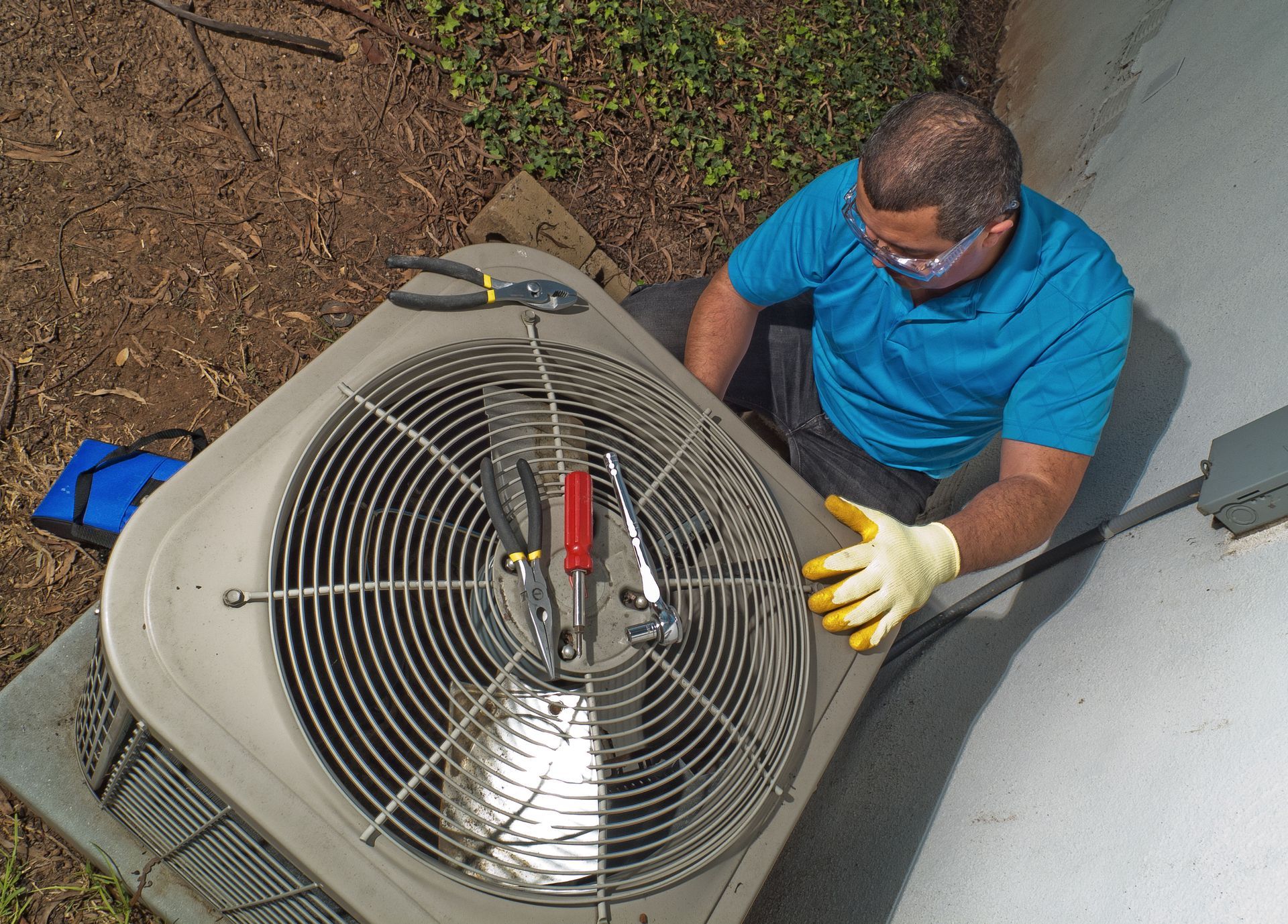
Even exceptionally well-maintained systems eventually experience natural component wear, such as refrigerant micro-leaks, faulty system sensors, worn contactors, or failing blower motors over time. Promptly addressing these mechanical issues is crucial, as operating a compromised climate system forces primary components to draw far more energy to achieve basic thermostat settings. Swift, professional repairs quickly restore original operating parameters, prevent cascading mechanical damage, and protect other vital components from secondary failure.
When aging equipment reaches the end of its useful lifespan, replacing it with modern, high-efficiency technology delivers immediate financial and performance advantages. A qualified local HVAC company provides expert guidance on precise load calculations, ensuring new units are perfectly matched to the specific layout, volume, and occupancy of the building. Expert installation paired with precise repair work safeguards long-term equipment reliability while securing maximum energy savings and continuous operational peace of mind for many years to come. Timely mechanical upgrades represent a smart investment that pays continuous dividends in performance and efficiency.
Transforming Efficiency into Long-Term Savings
Maximizing the efficiency of heating and cooling systems delivers deep, lasting financial, environmental, and operational advantages for any property owner seeking to lower utility expenses. Through precise diagnostic testing, proactive routine maintenance schedules, and expert technical repairs, modern climate systems can operate at maximum capability without wasting valuable power. Investing in high-performance equipment and sustained professional care delivers reliable climate control, healthier indoor air, and total protection against rising regional energy prices.
Achieving optimal mechanical performance requires working alongside certified heating and cooling professionals who understand local climate demands, building codes, and advanced technical standards. Engaging a dedicated
local HVAC company like Southern Comfort HVAC LLC guarantees that your climate control system receives the specialized care, precise calibrations, and expert servicing necessary to keep utility costs low and indoor comfort exceptional. Contact us today to schedule a comprehensive system evaluation and take the first step toward lasting energy efficiency.