August 22, 2026
Heating and cooling account for a substantial share of household energy use, making HVAC performance an important factor in both comfort and monthly utility costs. When a system is outdated, poorly maintained, or improperly sized, it may consume more energy than necessary while struggling to maintain consistent indoor temperatures. Working with a local HVAC company can help homeowners identify these problems and determine practical ways to improve efficiency.
From routine maintenance to equipment replacement, professional HVAC services can address many of the factors that influence energy consumption. Understanding how these improvements work can help homeowners make informed decisions about their heating and cooling systems while potentially reducing operating costs.
Identify Inefficient HVAC Equipment
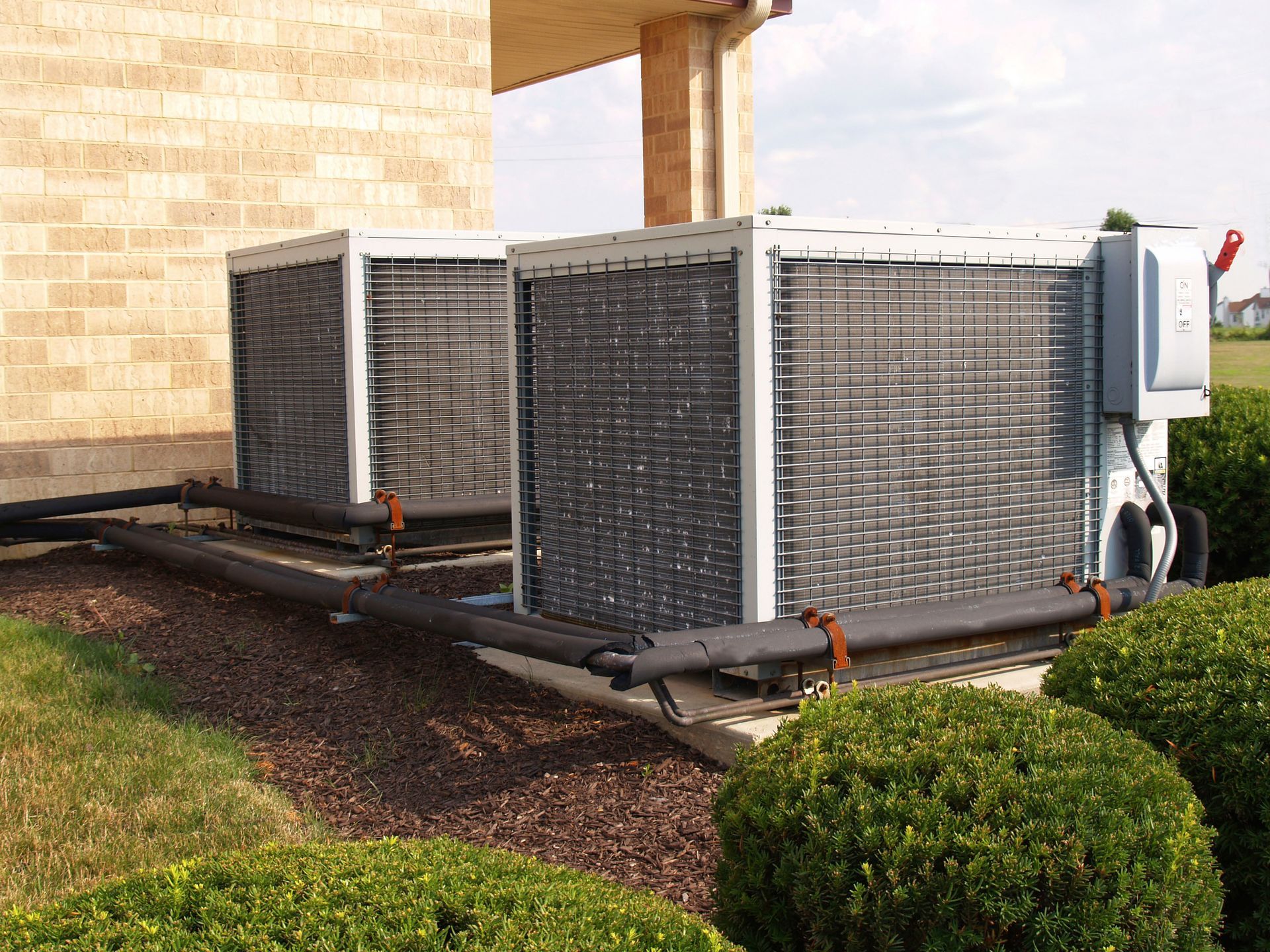
One of the first ways a local HVAC company can improve energy efficiency is by evaluating the condition and performance of existing equipment. Older furnaces, air conditioners, and heat pumps may use considerably more energy than newer models designed with improved efficiency standards and technology.
A professional assessment can identify equipment that is approaching the end of its useful life or operating below its expected performance. Issues such as worn components, restricted airflow, refrigerant problems, and inefficient motors can all affect how much energy a system requires.
Replacement is not always necessary when a problem is discovered. However, when equipment is outdated or repairs become increasingly frequent, upgrading may provide better long-term value. According to the U.S. Department of Energy, replacing equipment with higher-efficiency equipment can reduce energy use by as much as 50% in some circumstances.
Improve HVAC System Maintenance
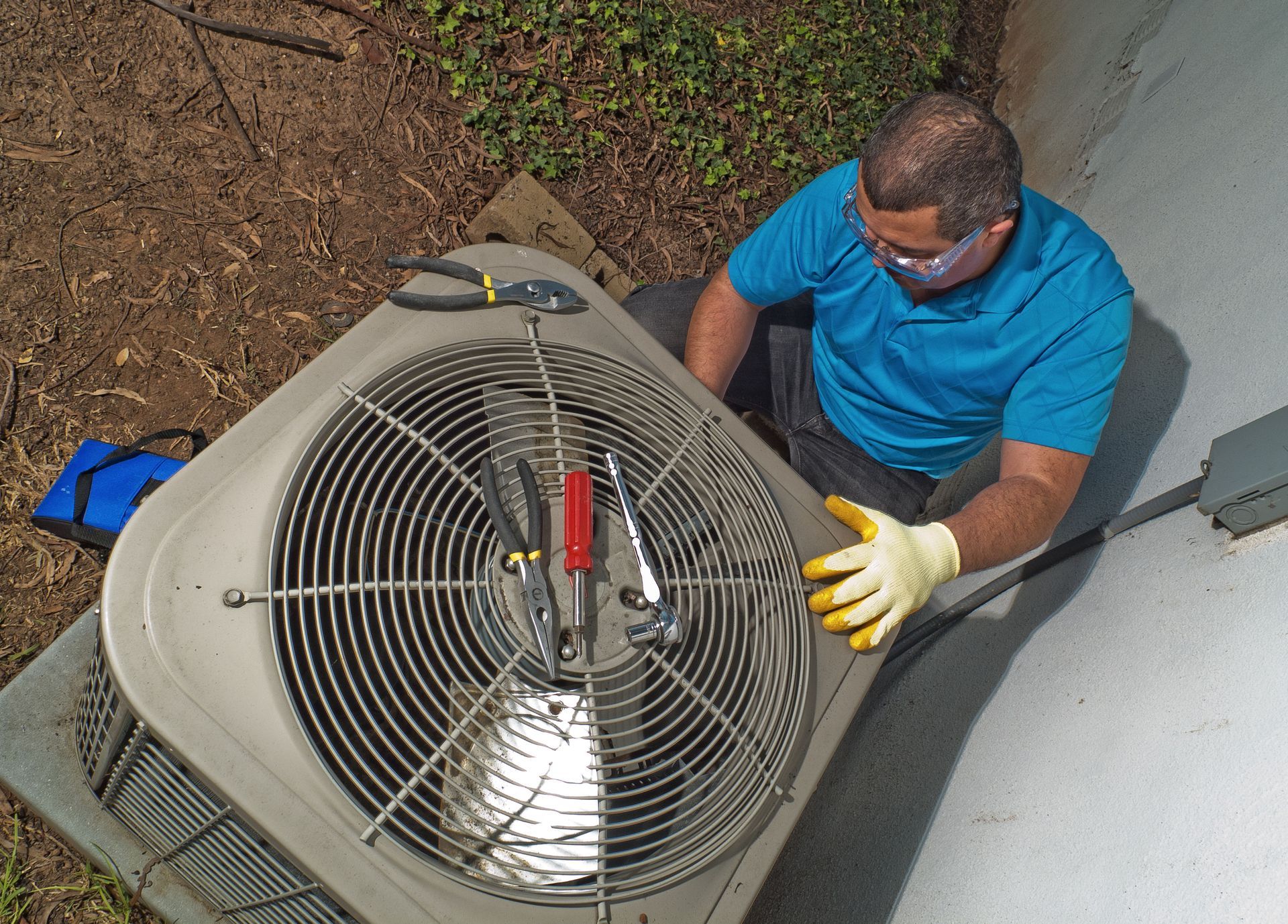
Regular maintenance can help an HVAC system operate closer to its intended performance. A local HVAC company can inspect components, identify developing problems, and perform maintenance that homeowners may not be equipped to handle themselves.
For example, dirty coils can interfere with heat transfer, while clogged filters can restrict airflow and force equipment to work harder. Electrical connections, blower components, belts, and other mechanical parts can also affect system performance when they are worn or improperly adjusted.
Routine maintenance does not automatically make an inefficient system highly efficient, but it can help prevent avoidable energy waste. Keeping equipment clean and addressing small problems before they become major failures can also reduce the likelihood of unexpected breakdowns during periods of heavy heating or cooling demand.
Address Airflow Problems
Efficient equipment cannot perform properly if air cannot move through the home effectively. Poor airflow may cause rooms to remain uncomfortable while the HVAC system continues running to reach the thermostat setting.
A local HVAC company can examine filters, ductwork, registers, return-air pathways, and blower operation to determine whether airflow is being restricted. In some homes, ducts may have leaks or inadequate insulation that allow conditioned air to escape before reaching its intended destination.
Improving these areas can help distribute heated and cooled air more effectively. Better airflow may also reduce the amount of time equipment needs to operate, which can contribute to lower energy consumption.
Consider High-Efficiency Equipment
When replacement becomes necessary, homeowners have more options than simply purchasing another version of their existing system. Modern HVAC equipment includes high-efficiency furnaces, air conditioners, heat pumps, and other technologies designed to provide heating or cooling while using less energy.
A local HVAC company can compare available equipment based on the home's size, insulation, ductwork, climate, and existing infrastructure. The most expensive or highest-rated system is not necessarily the right choice for every household. Instead, equipment should be selected based on expected performance, installation requirements, operating costs, and the homeowner's budget.
The U.S. Department of Energy notes that efficient heating and cooling equipment can reduce operating costs, while its purchasing guidance emphasizes evaluating efficiency alongside lifetime energy costs rather than focusing exclusively on the initial purchase price.
Explore Heat Pump Options
Heat pumps have become another option for homeowners seeking efficient heating and cooling. Unlike systems that generate heat through combustion, heat pumps transfer heat between indoor and outdoor environments. This allows one system to provide both heating and cooling.
A local HVAC company can determine whether an air-source heat pump or another type of heat pump is appropriate for a particular property. Factors such as climate, insulation, existing ductwork, electrical capacity, and backup heating requirements can influence the decision.
The U.S. Department of Energy reports that research has found replacing worn-out heating equipment with appropriately matched heat pumps can reduce energy costs for many American households.
Heat pumps are not automatically the best choice for every home, but they can provide an efficient alternative when the equipment is properly selected and installed.
Upgrade Thermostat Controls
HVAC efficiency is influenced not only by the equipment itself but also by how that equipment is controlled. A modern programmable or smart thermostat can provide more precise control over heating and cooling schedules.
A local HVAC company can help determine whether an existing thermostat is compatible with a newer HVAC system and whether upgraded controls could improve operation. Some systems can automatically adjust output based on temperature conditions, schedules, or other information.
Avoiding unnecessary heating and cooling is particularly important when a home is unoccupied for extended periods. Properly programmed controls can help reduce energy use without requiring homeowners to constantly adjust the thermostat manually.
Improve Indoor Comfort
Energy efficiency and comfort often go hand in hand. A system that runs excessively may indicate problems with equipment capacity, insulation, ductwork, airflow, or temperature control.
A local HVAC company can investigate rooms that consistently feel too hot or too cold. Uneven temperatures may point toward ductwork problems, insufficient return airflow, poor insulation, or an HVAC system that is not appropriately matched to the property.
Addressing these problems can make the home more comfortable while potentially reducing the amount of energy required to maintain the desired temperature. In some cases, the solution may involve the HVAC system itself. In others, improving insulation or sealing air leaks may provide a more effective improvement.
Keep Filters And Vents Clear
Some energy-efficiency improvements are relatively simple. Homeowners should regularly check HVAC filters and replace them according to the manufacturer's recommendations. A heavily loaded filter can restrict airflow and place additional demand on the system.
Furniture, rugs, curtains, and other household items should also be kept from blocking supply and return vents. Maintaining clear airflow pathways allows conditioned air to circulate more effectively.
If replacing filters does not resolve airflow concerns, a local HVAC company can determine whether a deeper issue is affecting system performance.
Schedule A Professional Energy Assessment
Homeowners who are unsure where their HVAC system is losing efficiency can benefit from a professional assessment. Rather than replacing equipment based solely on age, an HVAC professional can evaluate the system as a whole.
This may include checking equipment operation, airflow, ductwork, thermostat controls, and other components that affect performance. The resulting recommendations can help homeowners prioritize improvements based on potential energy savings and overall cost.
Taking this approach can prevent homeowners from spending money on upgrades that do little to address the actual source of energy waste. It can also provide a clearer understanding of whether maintenance, repairs, improvements to the home's envelope, or equipment replacement makes the most sense.
Choose The Right HVAC Improvements
Improving home energy efficiency does not necessarily require replacing every component of an HVAC system. Sometimes a maintenance visit or airflow correction can make a noticeable difference. In other situations, older equipment may have reached a point where replacement provides greater long-term benefits.
A
local HVAC company can help homeowners evaluate these options and develop an approach that fits their property and budget. Professional installation is also important because even highly efficient equipment may fail to deliver its expected performance if it is improperly sized or installed.
By combining appropriate equipment, regular maintenance, effective controls, and good airflow, homeowners can create a heating and cooling system that operates more efficiently. These improvements can support reliable comfort while helping reduce unnecessary energy consumption and potentially lowering utility costs over time. If you want to save on energy costs and increase home comfort, contact Southern Comfort HVAC today!