June 12, 2026
Ensuring optimal home comfort is essential for a healthy and enjoyable living environment. A local heating and cooling company offers valuable insights to maximize the effectiveness and efficiency of your home's HVAC systems. Implementing practical adjustments can help homeowners achieve better indoor climate control throughout the year. Taking control of your indoor environment not only enhances daily well-being but also protects your mechanical investments over time.
Understanding how household energy is distributed highlights the financial benefit of these comfort strategies. According to energy.gov, about 43% of a home utility bill goes to heating and cooling. This significant statistic underscores why system efficiency should be a primary concern for every homeowner. By partnering with a reputable local heating and cooling company, residents can uncover hidden inefficiencies and implement strategic upgrades that lower bills while stabilizing indoor temperatures.
Understanding System Functions
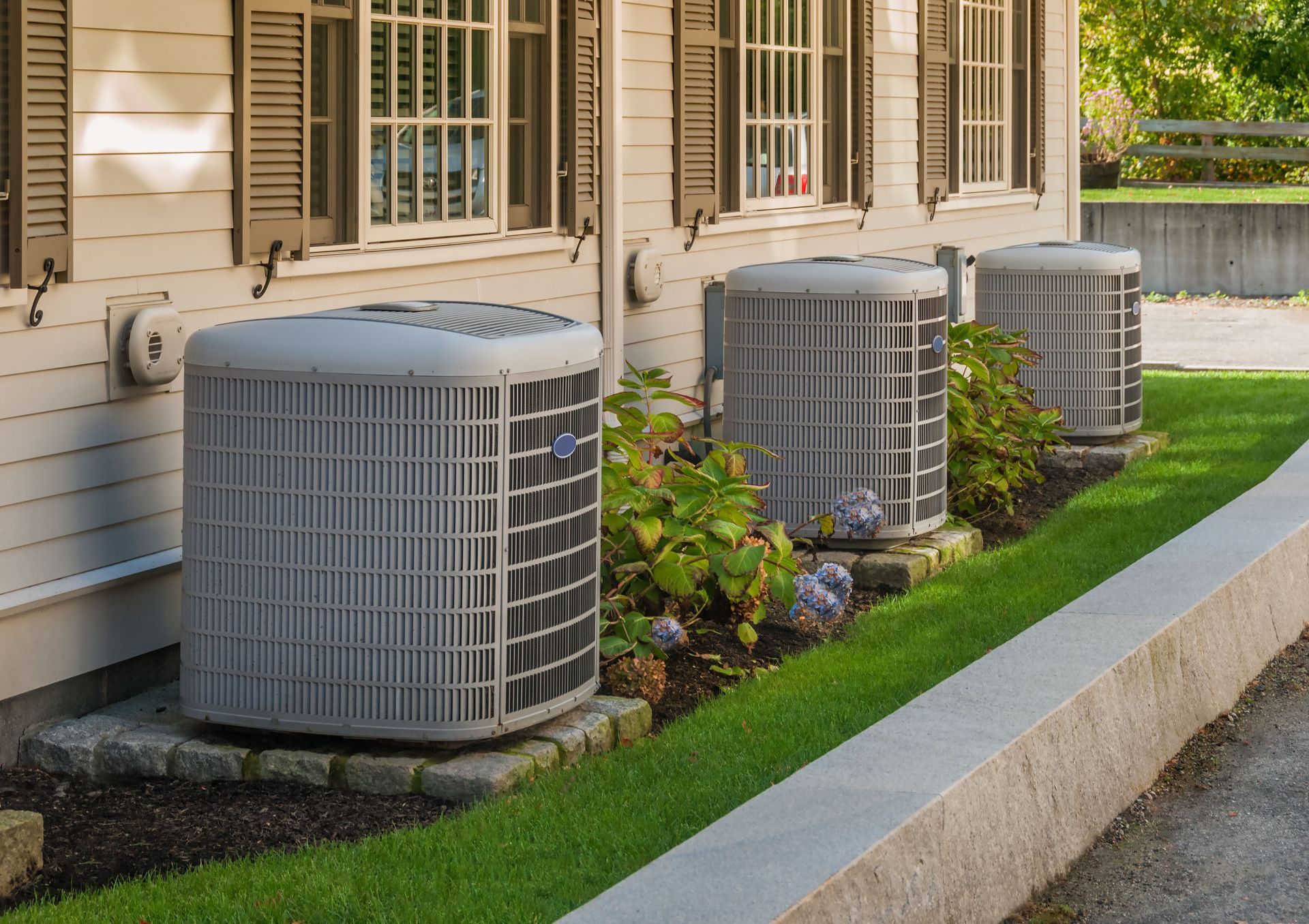
The HVAC system acts as the backbone of home climate control, relying on a network of interconnected parts to regulate indoor temperatures. The furnace generates heat during cold seasons, while the air conditioner extracts heat to cool the interior during summer. Ductwork serves as the circulatory system, evenly distributing this conditioned air to every room. When any single component experiences a decline in performance, the entire network suffers, leading to poor air regulation and accelerated mechanical wear.
Beyond simple temperature adjustments, these systems play an essential role in managing relative humidity and indoor air quality. Dehumidification occurs naturally during the cooling cycle as moisture condenses on the evaporator coils, keeping indoor moisture levels within a comfortable range. Homeowners can optimize this process by utilizing programmable or smart thermostats to align system operations with daily occupancy habits. Maintaining a clear understanding of these basic principles helps residents make proactive choices regarding daily operation and professional service needs.
Mechanical efficiency drops sharply when equipment is incorrectly sized for the property it serves. An oversized unit cycles on and off too quickly, which accelerates equipment degradation and fails to remove humidity. Conversely, an undersized unit runs continuously, increasing utility costs while failing to reach the target temperature. A certified local heating and cooling company performs accurate load calculations to match system capacity perfectly to a home's specific square footage, insulation levels, and local climate realities.
Implementing Maintenance Schedules
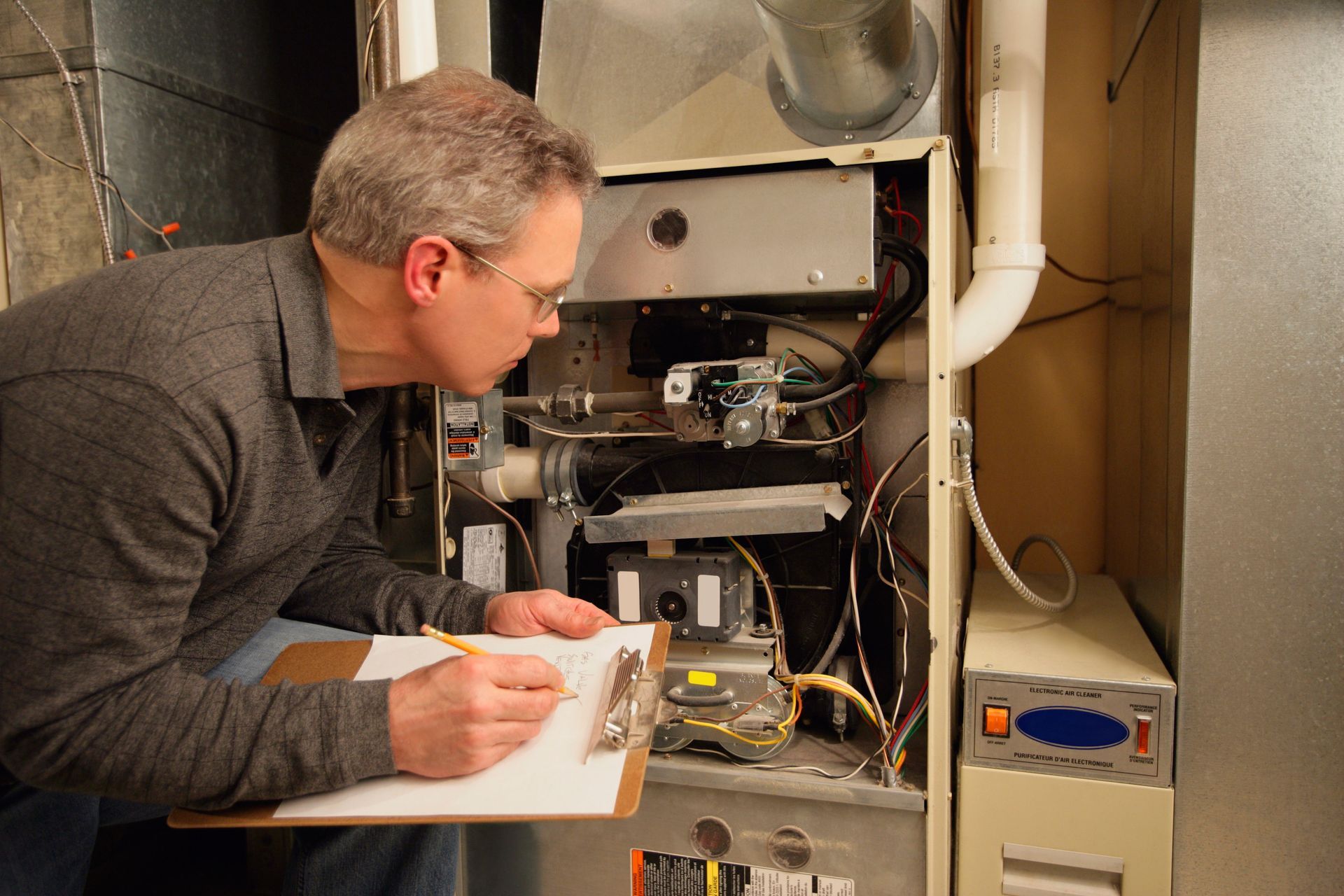
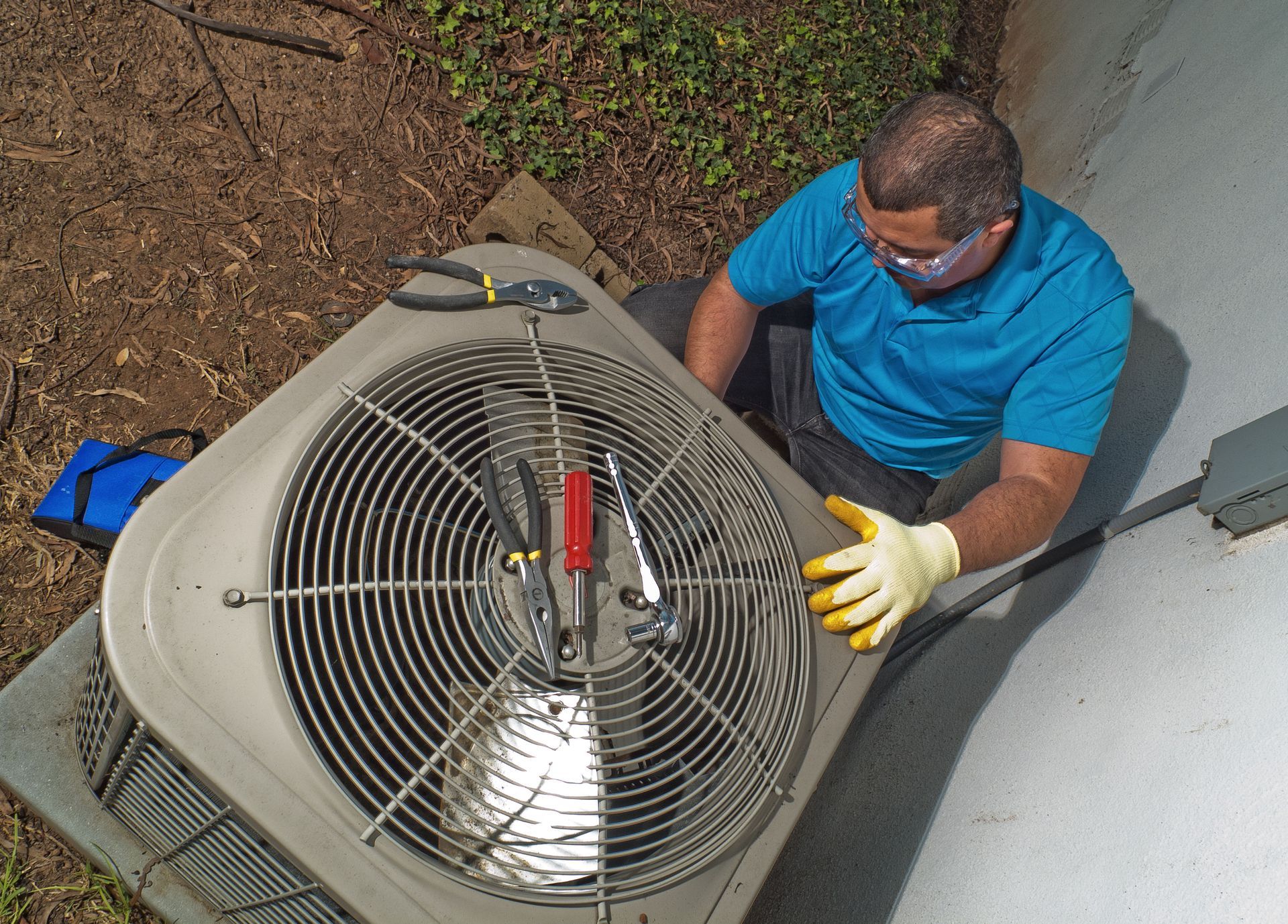
Establishing a consistent upkeep routine is vital for preserving the operational lifespan and reliability of heating and cooling units. Bi-annual professional inspections are best scheduled during the transitional months of spring and fall. These preventive check-ups allow technicians to clean condenser coils, verify refrigerant levels, and calibrate electrical connections before peak seasonal weather arrives. Documenting these services creates a clear history that assists with future troubleshooting and protects equipment warranties.
Air filters represent a vital line of defense for both system mechanics and respiratory health. As filters trap airborne dust, pet dander, and pollen, they gradually restrict airflow, forcing system motors to work harder and consume more electricity. Replacing filters every one to three months ensures unobstructed airflow and helps maintain low operational costs. Homeowners can select high-efficiency particulate air or pleated varieties based on the specific air quality needs and allergy sensitivities of their households.
Ductwork integrity must also be evaluated regularly, as small structural gaps or loose connections can diminish total system efficiency by up to 20%. Leaky ducts allow conditioned air to escape into unconditioned spaces like attics or crawlspaces, disrupting air balances and introducing dust into the living areas. Sealing visible joints with specialized mastic or metal tape prevents this waste. For deep or hard-to-reach sections, specialized pressure testing and professional duct cleaning ensure complete system optimization.
Maximizing Energy Efficiency
Upgrading to smart thermostat technology provides homeowners with precise control over their daily energy consumption patterns. These advanced devices track household occupancy patterns and automatically modify temperature settings to reduce waste when rooms are empty. Remote access capabilities via mobile applications allow users to adjust settings from anywhere, offering convenience alongside data insights. These automated adjustments help offset the constant mechanical demands placed on residential climate control systems.
Sealing structural air leaks around the home envelope is a powerful method for reducing overall heating and cooling demands. Air frequently escapes through gaps surrounding windows, external doors, plumbing penetrations, and electrical outlets. Utilizing high-quality caulking and weather-stripping to close these gaps prevents drafts and stops outside air from infiltrating the home. This simple weatherization practice creates a more airtight environment, allowing indoor temperatures to remain stable for extended periods.
High-quality insulation acts as a thermal barrier that blocks heat transfer through walls, attics, and basement floors. Proper insulation levels retain heat indoors during winter months and block exterior heat during summer months, drastically flattening daily peak energy demands. Combining air sealing with updated insulation materials creates a highly efficient structure that minimizes overall wear on mechanical equipment. Homeowners should consult a local heating and cooling company to identify specific structural zones lacking proper thermal resistance.
Upgrading Equipment Components
Investing in certified energy-efficient appliances provides a reliable path toward long-term utility reduction and improved mechanical performance. Systems bearing high-efficiency certifications undergo strict independent testing to verify that they consume significantly less power than baseline models. Modern equipment utilizing variable-speed blowers and advanced compressors can modulate output continuously, matching real-time cooling or heating demands without consuming excessive amounts of electricity.
Transitioning to modern heat pump technology represents another highly efficient alternative for comprehensive year-round climate control. Heat pumps do not create heat through combustion; instead, they transfer existing heat between the indoors and outdoors, utilizing a fraction of the energy required by standard systems. Many of these energy-efficient upgrades qualify for local utility rebates or federal tax incentives, lowering the initial financial hurdle of equipment replacement while establishing an economical baseline for future operation.
Home layout modifications, such as implementing localized zoning systems, can further enhance overall equipment performance. Zoning utilizes electronic dampers within the ductwork to redirect air exclusively to occupied spaces, eliminating the need to condition unused areas. This personalized air distribution improves individual comfort preferences while preventing unnecessary system strain. Professional guidance ensures these complex retrofits integrate perfectly with your existing architectural layout and mechanical infrastructure.
Enhancing Air Quality
Maintaining high indoor air quality is directly tied to the proper operation of residential heating and ventilation equipment. Since modern residential properties are tightly sealed for energy preservation, airborne pollutants can become trapped and accumulate over time. Integrating whole-house air purifiers or media cleaners directly into the ductwork effectively neutralizes fine particulates, airborne bacteria, and common household odors as air circulates through the property.
Controlled mechanical ventilation systems, such as energy recovery ventilators, actively exchange stale indoor air with fresh, conditioned outdoor air. This mechanism captures thermal energy from the exhausting air stream, preventing energy loss while introducing clean oxygen into the living space. Properly balanced ventilation keeps indoor environments feeling crisp and prevents the accumulation of stagnant moisture or chemical volatile organic compounds often found in household products.
Addressing these hidden environmental variables creates a healthier, more predictable indoor climate for all occupants. Regular collaboration with a certified local heating and cooling company ensures your air filtration, humidity control, and ventilation systems operate in perfect harmony. For more information about the services that we offer, reach out to our incredible team at Southern Comfort HVAC today!